Monthly Archives - May 2026

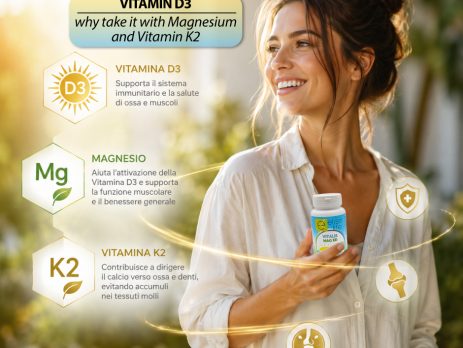
Vitamin D3: Why take it with Magnesium and K2

Vitamin D3 is one of the most important nutrients for overall health and wellness. In recent years, it has become the focus of many scientific studies because of its role in supporting the immune system, bone health, muscle function, and metabolism. However, many people are unaware that taking Vitamin D3 alone may not be enough to achieve its full benefits. To work properly, Vitamin D3 requires essential cofactors such as Magnesium and Vitamin K2, nutrients that are crucial for its...
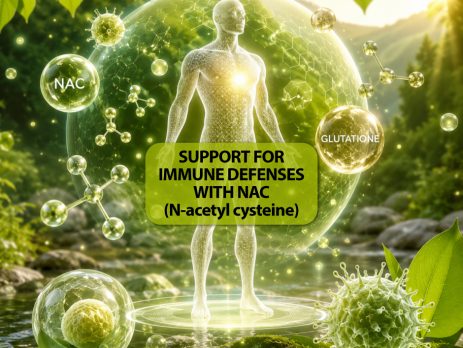
Support for immune system with NAC (N-acetyl cysteine.

In recent years, interest in natural immune support has grown significantly. Among the most studied compounds is NAC, short for N-acetylcysteine, known for its role in supporting glutathione production and helping maintain the body’s natural defenses. NAC is a derivative of the amino acid cysteine and is considered one of the main precursors of glutathione, one of the body’s most important antioxidants. Glutathione plays a key role in protecting cells from oxidative stress and supporting proper immune system function. NAC and...

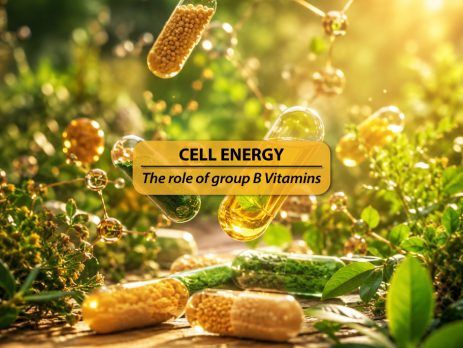
Cell energy: the rule of group B vitamins.

Persistent tiredness, difficulty concentrating and low energy during the day are increasingly common conditions in modern life. Stress, hectic routines, poor nutrition and lack of sleep can negatively affect the body’s energy metabolism. In this context, B vitamins play a fundamental role in supporting cellular energy and overall wellbeing. Vitamins B1, B2, B3, B5, B6 and B12 are involved in numerous metabolic processes that help transform nutrients from food into usable energy for the body. Adequate intake of these vitamins...

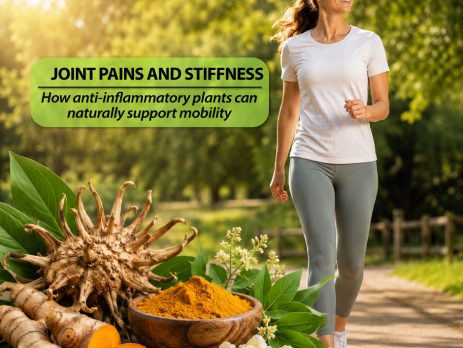
Joint pain and stiffness: how anti-inflammatory plants can naturally support mobility.

Over time, physical stress, poor posture, and a sedentary lifestyle can contribute to joint pain, muscle stiffness, and difficulty performing everyday movements. Knees, back, shoulders, and hands are among the areas most affected by inflammation and joint tension, conditions that may negatively impact overall well-being and quality of life. More and more people are looking for natural remedies for joint pain, choosing herbal solutions known for their soothing and anti-inflammatory properties. Among the most appreciated are Devil’s Claw, Turmeric, and...

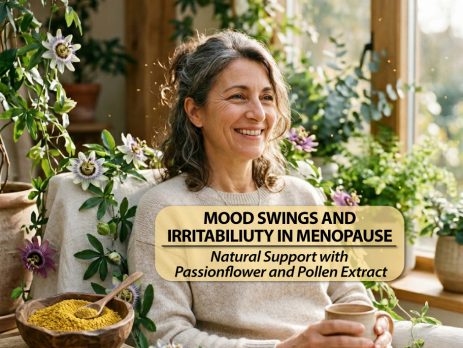
Mood swings and irritability during menopause: natural support with Passionflower and Pollen extract.

Menopause is a delicate stage in many women’s lives, characterized not only by physical changes but also by emotional ones. Among the most common symptoms are mood swings, irritability, nervousness, anxiety, and emotional instability, all of which can affect daily well-being and quality of life. Hormonal fluctuations during menopause can directly impact mood, leading to feelings of agitation, mental fatigue, and difficulty managing everyday stress. For this reason, many women are looking for natural remedies to regain emotional balance and...

GABA: the calm neurotransmitter for deep sleep.

Quality sleep is one of the fundamental pillars of physical and mental well-being. However, stress, racing thoughts, and hectic lifestyles can make it difficult to relax and fall asleep peacefully. This is where GABA comes into play, an essential neurotransmitter often called “the calm neurotransmitter.” GABA, short for gamma-aminobutyric acid, is a substance naturally produced by the brain that plays a crucial role in regulating nervous system activity. Its main function is to reduce excessive neuronal stimulation, helping create a...

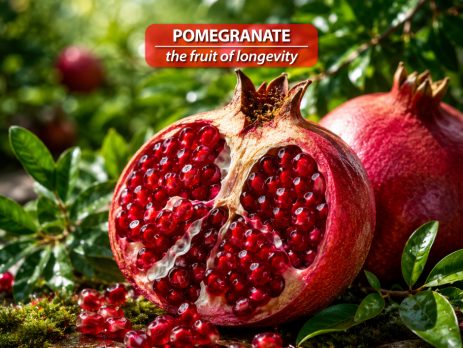
Pomegranate: the fruit of longevity.

For centuries, pomegranate has been considered a symbol of life, fertility, and prosperity. From ancient Mediterranean civilizations to modern nutritional science, this ruby-red fruit continues to attract attention thanks to its remarkable health properties. Today, scientific research confirms what tradition had long suggested: pomegranate may be a valuable ally for longevity and overall wellness. Rich in polyphenols, vitamins, and antioxidant compounds, pomegranate stands out for its content of punicalagins and ellagitannins, natural substances studied for their potential protective effects on...

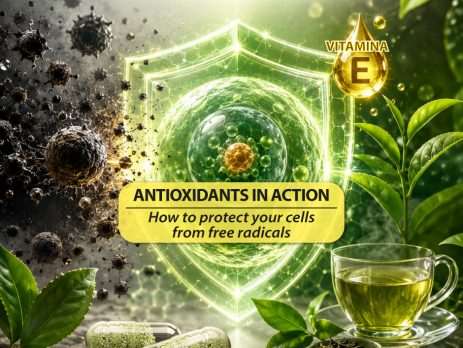
Antioxidant in action: how to protect your cells from free radicals.

Every day our body is exposed to factors that can increase the production of free radicals: stress, pollution, poor diet, smoking, and even excessive sun exposure. When these unstable compounds exceed the body's natural defense capacity, a condition called oxidative stress occurs, leading to premature cellular aging and various wellness-related issues. To protect cells from free radicals, antioxidants play a key role. These substances help counter oxidative damage and maintain the body's balance. Among the most studied and appreciated antioxidants...

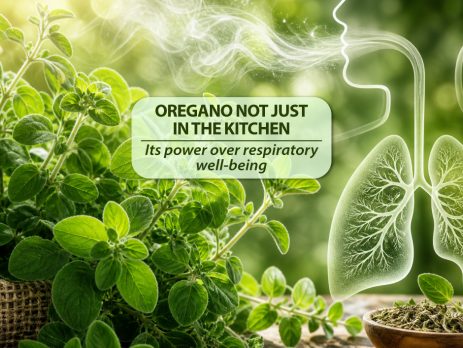
Oregano, not just for cooking: its power for respiratory wellness.

When we think of oregano, we often associate it with Mediterranean cuisine. However, this aromatic herb offers much more than flavor. Oregano has long been recognized for its natural support of respiratory health. Oregano properties for respiratory support Oregano is rich in active compounds, including phenols and essential oils, which contribute to its beneficial effects on the body. These substances are known for their: Soothing and balsamic propertiesPurifying actionSupport for respiratory tract function Because of these qualities, oregano is often used during seasonal changes...

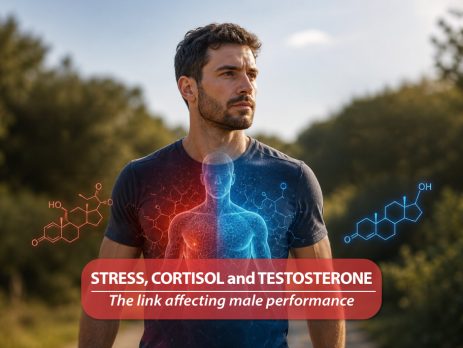
Stress, cortisol and testosterone: the link affecting male performance.

Stress has become a constant in modern life. Fast-paced routines, work pressure, and lack of recovery deeply impact male hormonal balance. One of the most overlooked yet crucial effects is its direct impact on testosterone. When stress becomes chronic, the body increases cortisol production, known as the “stress hormone.” While useful in the short term, this response becomes harmful over time. High cortisol: what happens to testosterone Cortisol and testosterone have an inverse relationship. When cortisol levels remain high: testosterone production decreasesphysical and...