Monthly Archives - February 2026

Multivitamin after age 40: why it becomes essential for energy, defenses, and antiaging.

After the age of 40, the body begins to change. Metabolism slows down, nutrient absorption becomes less efficient, and oxidative stress increases. Even with a balanced diet, it may become harder to meet daily vitamin and mineral requirements. A complete multivitamin after 40 is not just a supplement — it’s a preventive strategy to support the body during this transitional phase. Why Nutrient Deficiencies Increase After 40 As we age, several physiological changes occur: Reduced stomach acid → lower absorption of vitamin B12,...

From perimenopause to menopause: supporting hormonal changes with targeted natural ingredients.

Perimenopause is a natural transitional phase that can begin several years before the final menstrual cycle. During this time, hormonal balance gradually shifts, often causing early symptoms that many women underestimate. Common perimenopause symptoms include irregular periods, mood swings, sleep disturbances, weight gain, and decreased libido. Recognizing these early signs is essential to support the body before menopause fully sets in. What happens during Menopause? Menopause is confirmed after 12 consecutive months without menstruation. Estrogen levels decline permanently, potentially leading to: Hot flashesNight sweatsVaginal drynessSlower metabolismBone...

Libido and sexual desire: the rule of Tribulus terrestris and Zinc.

Low libido and reduced sexual desire are increasingly common conditions, often linked to chronic stress, mental fatigue, hormonal imbalance, and unhealthy lifestyle habits. Understanding the connection between libido, stress, and micronutrients is essential to support male vitality naturally. Main causes of low sexual desire Chronic stress and high cortisolPhysical and mental fatigueReduced testosterone levelsNutritional deficiencies (especially Zinc)Poor sleep quality Chronic stress can negatively impact hormonal balance, lowering energy levels, motivation, and sexual interest. Tribulus Terrestris and Male Libido Tribulus terrestris is traditionally used to support...

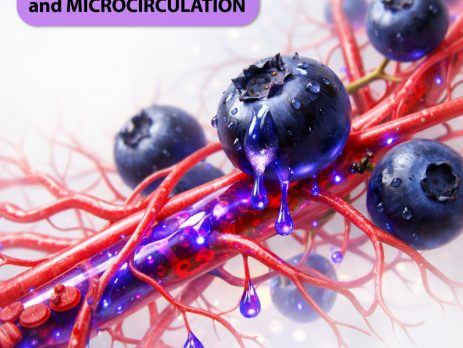
Bilberry and microcirculation: why it also support gut health.

Blueberry (Vaccinium myrtillus) has long been known for its benefits on vision and circulation. However, recent research highlights a less explored but crucial aspect: its role in gut health, closely linked to the function of the microcirculation. The intestinal tract is highly vascularized, and proper microcirculation is essential to maintain the integrity of the intestinal barrier, support nutrient absorption, and regulate immune responses. When microcirculation is impaired, low-grade chronic inflammation may develop, affecting gut function and overall wellbeing. Blueberry is rich...

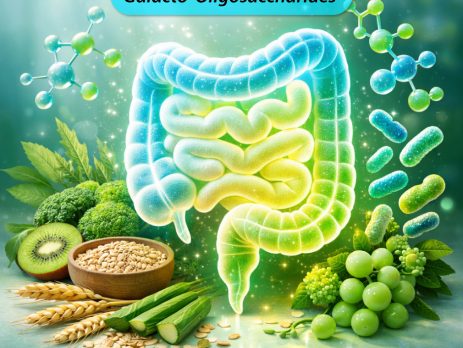
GOS: what they are, benefits and their role in gut health.

In recent years, there has been increasing talk of intestinal health, microbiota, and digestive well-being. Among the protagonists of this balance we find GOS, an acronym for Galacto-Oligosaccharides, a particular category of prebiotic fibers increasingly used also in new generation food supplements. GOS (Galacto-Oligosaccharides) are non-digestible carbohydrates classified as prebiotic fibers. They reach the colon intact, where they selectively nourish beneficial gut bacteria such as Bifidobacteria and Lactobacilli. By supporting the gut microbiota, GOS contribute to digestive balance, immune support and...

Vitamin D3: what it is and why it’s essential for the body.

Vitamin D3, also known as cholecalciferol, is a fat-soluble vitamin essential for overall health. While it is commonly associated with bone health, its role goes far beyond that, supporting muscle function, immune defenses, and a healthy lifestyle. The body naturally produces vitamin D3 when the skin is exposed to sunlight. However, limited sun exposure, seasonal changes, aging, and lifestyle habits can significantly reduce its production. Vitamin D3 vs D2: what’s the difference? There are two main forms of vitamin D: Vitamin D2 (ergocalciferol)...

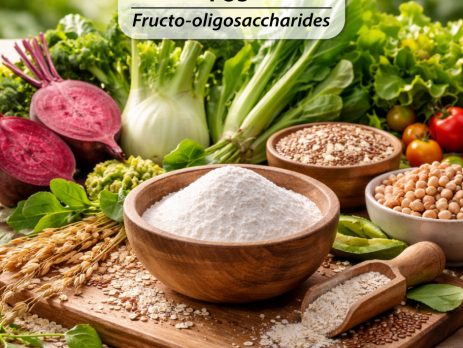
FOS

FOS, also known as fructo-oligosaccharides, are natural fibers essential for maintaining a healthy gut. These molecules act as prebiotics, feeding the “good” bacteria in the intestines and helping maintain a balanced microbiota. A healthy microbiota is crucial not only for digestion but also for nutrient absorption, immune function, and overall well-being. Adequate FOS intake can help regulate bowel movements, reduce bloating, and improve digestion. By promoting the growth of beneficial bacteria such as bifidobacteria and lactobacilli, FOS support intestinal flora...

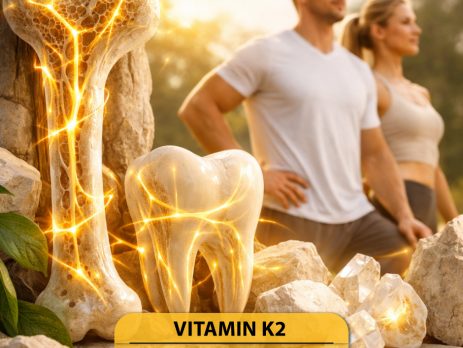
Vitamin K2

Vitamin K2 is an essential micronutrient that plays a key role in maintaining the body’s overall balance and supporting a healthy lifestyle. Although less known than other vitamins, it is crucial for several physiological functions. As a fat-soluble vitamin, Vitamin K2 is primarily involved in calcium metabolism, helping the body direct calcium where it is needed most. Vitamin K2, also known as menaquinone, is different from Vitamin K1.While Vitamin K1 mainly supports blood clotting, Vitamin K2 contributes to bone, dental, and...

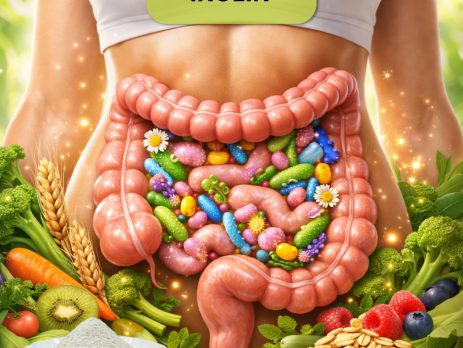
Inulin: what is and its role in dietary supplements.

Inulin is a natural dietary fiber increasingly recognized in the world of supplements. It is a polysaccharide found in plants such as chicory, artichoke, and dandelion root, which is not digested in the small intestine but ferments in the colon. This process nourishes the gut microbiota, promoting intestinal balance and supporting digestive health. In dietary supplements, inulin is primarily valued for its prebiotic properties. This means it stimulates the growth of beneficial bacteria in the gut, such as bifidobacteria and...

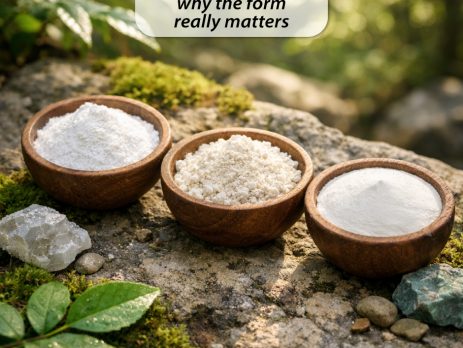
Magnesium: why the form really matters.

Magnesium is an essential mineral involved in more than 300 enzymatic reactions. It supports muscle and nerve function, contributes to energy metabolism, and helps reduce fatigue and tiredness. However, not all magnesium forms are the same. Absorption, tolerability, and benefits depend largely on its chemical form. Among the most widely used and researched forms are magnesium citrate bibasic, magnesium citrate tribasic, and magnesium bisglycinate. Magnesium citrate bibasic is known for its fast absorption and is often used to support energy levels...